Individual Piano Program
Ages 8 – Adult
Piano lessons that foster each pianist through playing, reading, musicianship and creativity.
Lesson Structure
Nifty Notes believes in developing the whole person, and the whole musician, through regular weekly lessons with a committed and experienced teacher. The teacher and student together discuss goals, interests and plans for the term and the year, and the teacher makes a long-range plan based on student interests. The guiding force is a wholistic approach to learning, where all students not only learn to play with good technique and a singing tone, but also learn to understand, create and hear musical concepts and connections.
Lessons are structured around creating well-rounded musicians
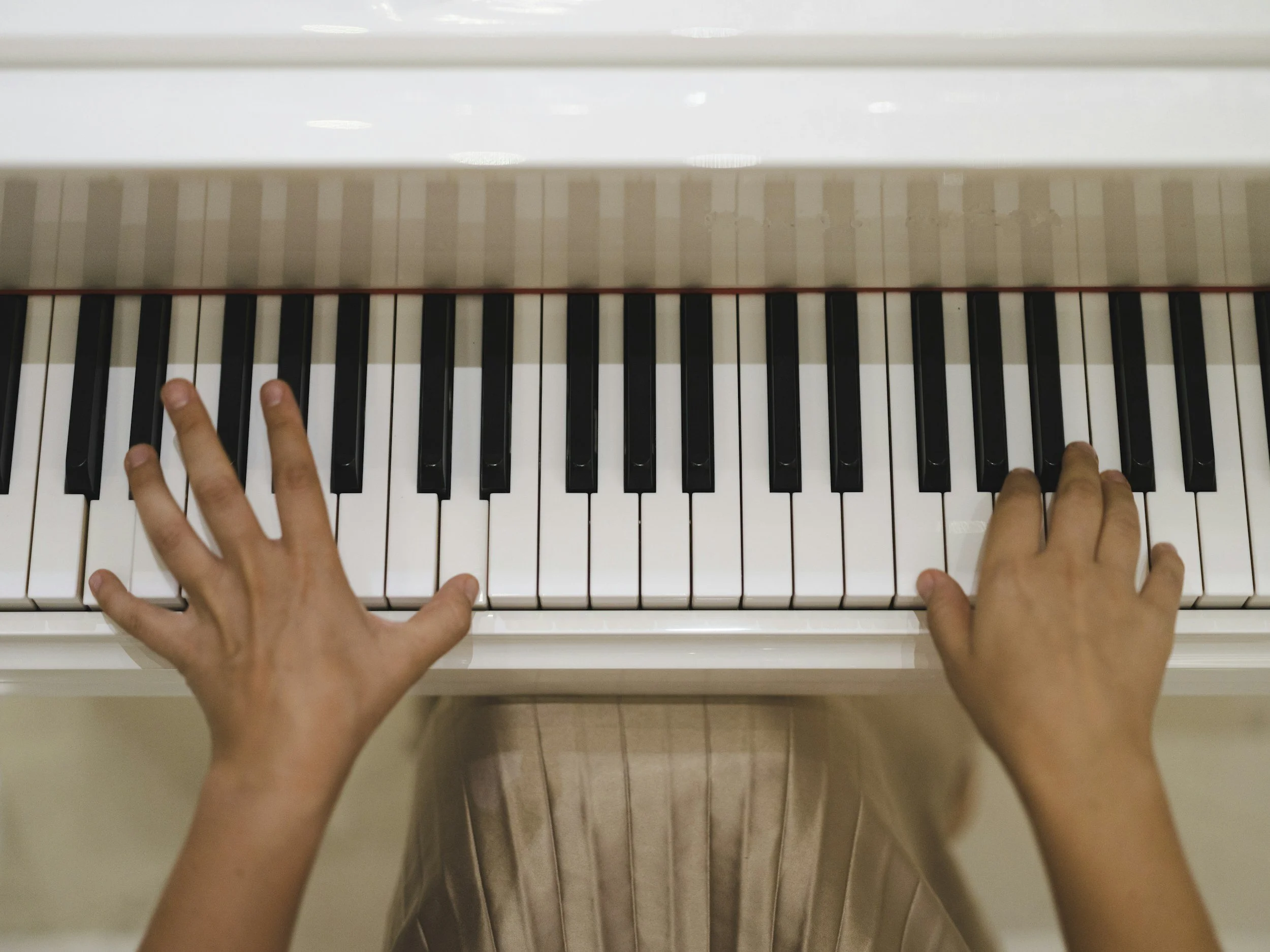
Technical Development Students learn how to use their bodies and fingers in harmony to be able to express themselves fully. Good piano technique takes years to develop, but a thoughtful teacher knows when to introduce key approaches for healthy long term development. Emphasis is always made on posture, seating height, hand shape and finger attack to prevent bad habits that become barriers (or injuries) down the road.
Technical Exercises These include things like scales (yes, sorry, there are scales to learn!), chords, arpeggios, wrist and arm motion that are done daily. These can be made more fun by adding drum beats, silly lyrics and other tricks to keep younger learners engaged.
Music Theory and Concepts Depending on a student’s age, these could be written assignments, in-class games, recommendations for iPad apps or more formal theory texts. Music can be understood like any other academic subject, there are terms and meanings and connections that help musicians make sense of what they do.
Repertoire This is the most important component of lessons. Carefully chosen repertoire helps keep students motivated, teaches concepts and musical expression in natural ways, and expands a student’s knowledge of genre, style and idiom. Like food, you need to try a lot to decide what you like and what you don’t, so students are encouraged to play a broad range of music rather than limiting things to songs they know (although that is certainly included and motivating!). Students may also want to learn music that is simply too advanced for them (particularly pop songs, which are actually very difficult rhythmically) and are encouraged to work hard so they can access these in the future.
Under Construction!
Thank you for your patience!